Another Blow to Disparate Impact—the EEOC's Action to Close Out Disparate Impact Charges
As explained in an internal agency memo, the Equal Employment Opportunity Commission (EEOC) has taken action to close out virtually all pending charges that were based exclusively on disparate impact discrimination. The disparate impact theory, which has long been subject to debate, is a tool plaintiffs use to prove Title VII discrimination even when there appears to be no discriminatory intent. The theory recognizes that claims may arise where a facially neutral workplace policy or practice has a greater negative effect on those in a protected class as compared with those not in a protected class.
Political Speech and the Workplace: Considerations for Employers
As the political climate becomes increasingly volatile, employers may expect their employees to engage in political discourse both within and outside the workplace. Even if it occurs off-duty or online, such discourse could result in contentious exchanges that have the potential to impact workplace productivity and culture. Fortunately, private employers have wide (though not unlimited) discretion to set policies regulating behavior, including political speech, within the workplace.
Higher Ed Meets Higher Fees: Navigating Rising H1-B Visa Costs and Evolving Regulatory Changes
Institutions of higher education (IHEs) have long relied on the H1-B visa program to attract top international talent, particularly for specialized academic, research, and STEM roles that are difficult to fill domestically. As U.S. immigration policy continues to evolve, however, IHEs face new challenges in recruiting and retaining H1-B visa holders. A recent proclamation by the Trump administration, which significantly increases H1-B petition costs, adds a new layer of financial and administrative pressure, and may significantly affect how IHEs structure and budget for international hiring going forward.
Attorney Spotlight
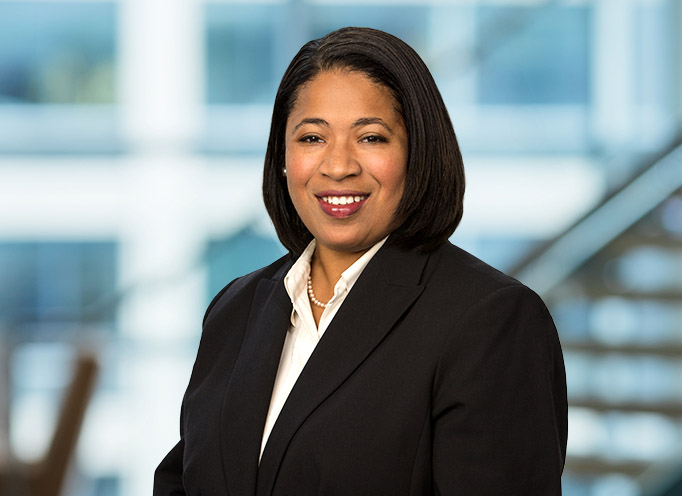 Lisa Tavares: As we approach the end of the year, plan sponsors should be ensuring that they are focused on compliance to avoid corrections and potential penalties. The benefits world is constantly evolving, and the rules change as new requirements are being created. There are a number of notices related to open enrollment and for retirement plans that have to be sent in a timely manner. Plan sponsors should also be considering any design changes that need to be incorporated into plan documents, as well as any legal changes that need to be documented for 2025. Many of the same issues come up each year, so it can be easy to look past a requirement because it doesn't seem like much has changed. Every plan sponsor should take some time out at the beginning of the fourth quarter, so benefits plans remain in compliance and the focus can be delivering the benefits to employees. This year, a key issue is readiness for Roth 401(k) catch-ups for employees with more than $145,000 in FICA wages that begin in 2026, but there are plenty of other requirements to keep up with.
We Want to Hear from You
What legal issues are keeping you up at night?
We are continuing to monitor key trends and significant updates that affect employers across a wide variety of industries. We want to make sure we touch upon issues that are of concern to you. We invite you to take a moment and let us know what you would like to hear more about in this newsletter. Click below to email our team of attorneys.
About the Labor and Employment Group
The national, 40-person Labor and Employment team at Venable provides guidance and support across the full spectrum of workplace dynamics – helping employers control costs, avoid disputes, and defend themselves when litigation arises. Allison Gotfried, editor of this newsletter, invites you to share the content with your colleagues and reach out with any questions.